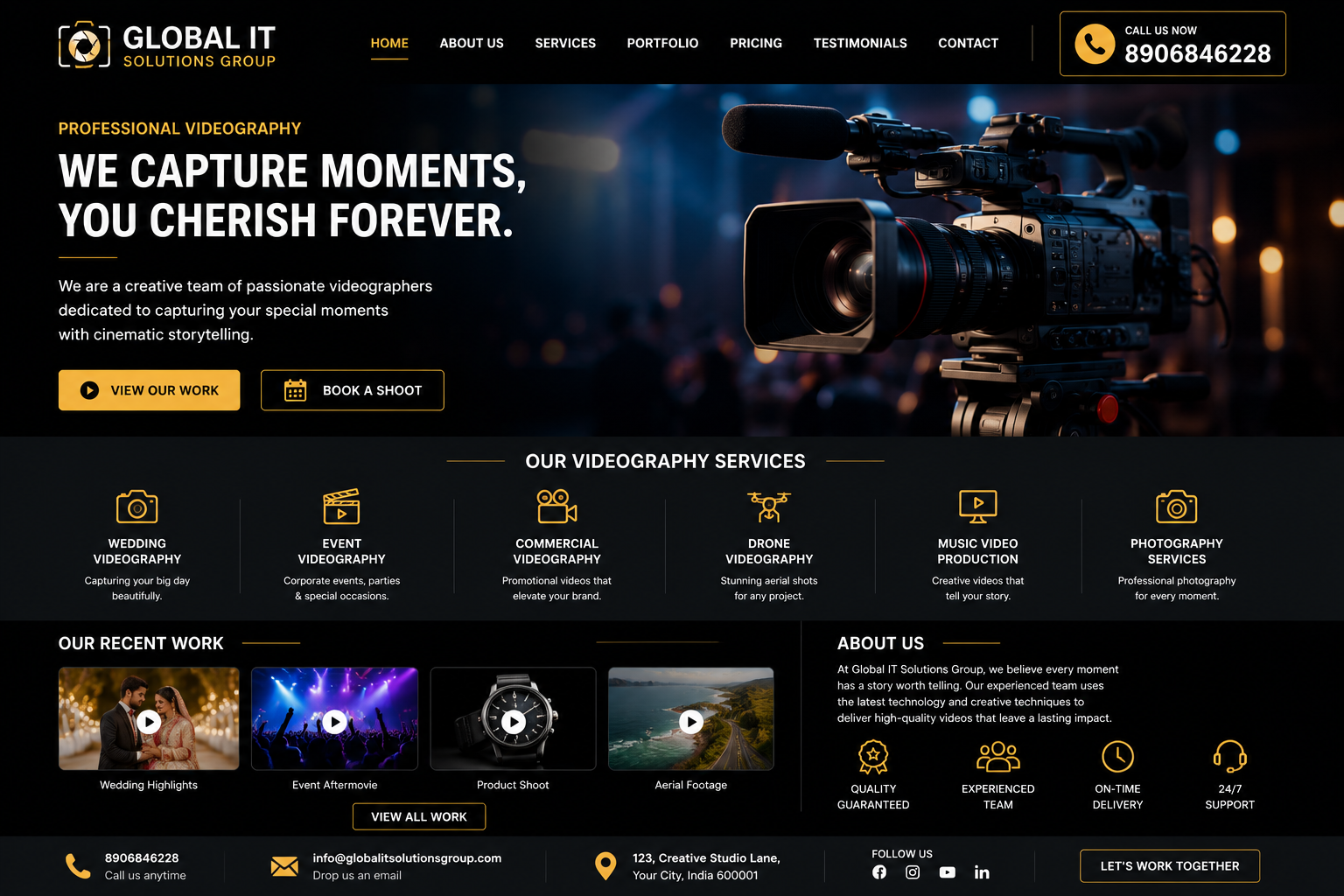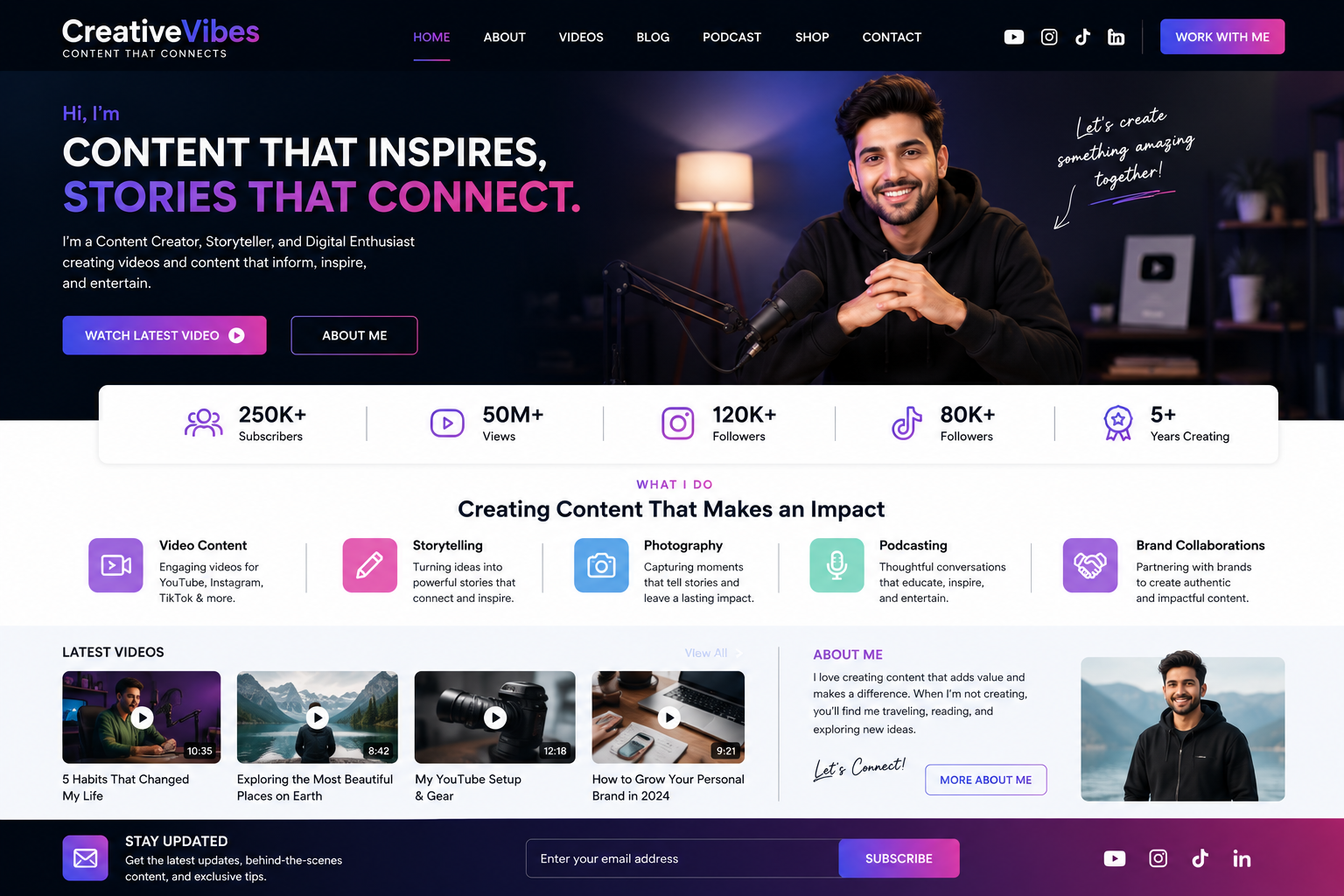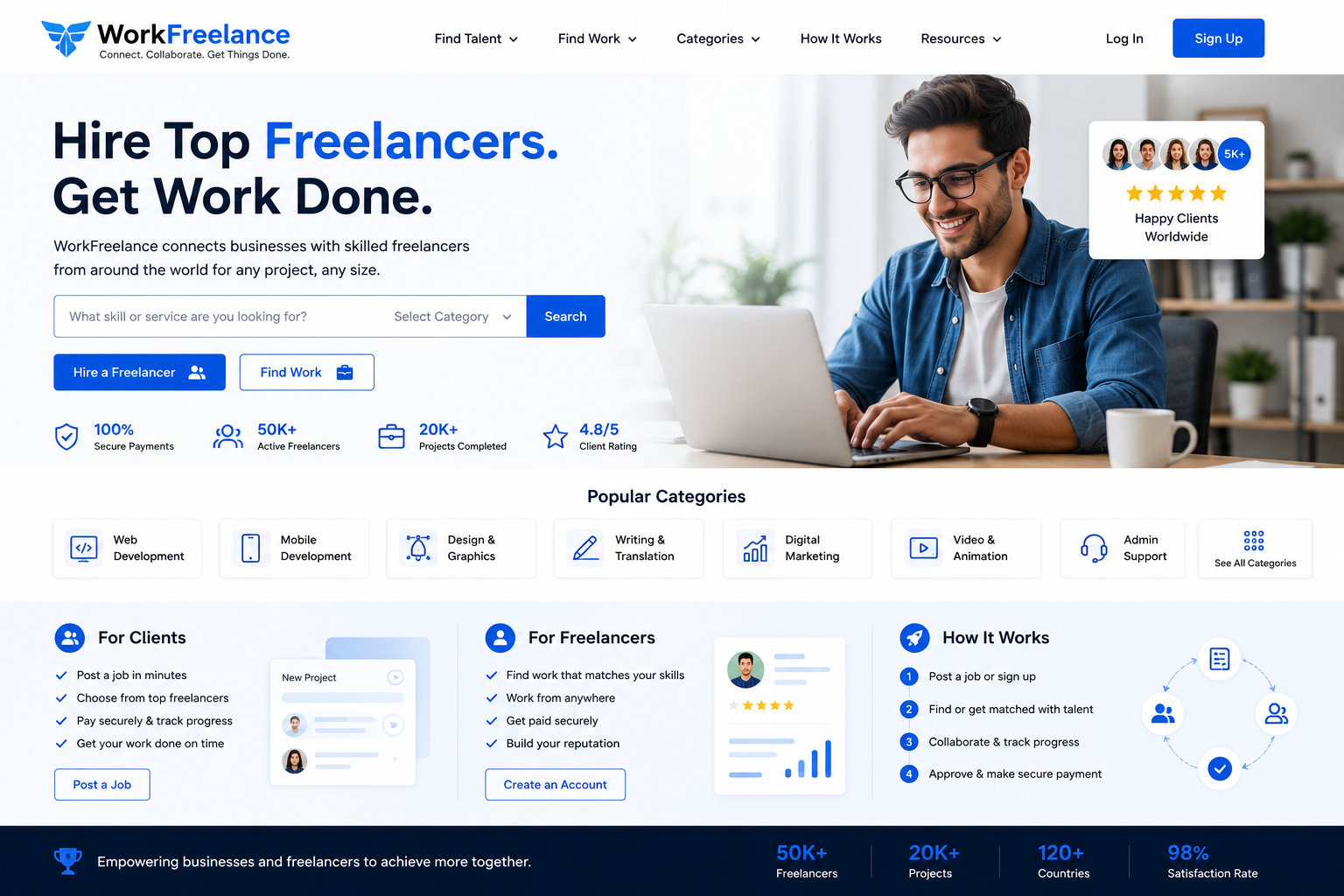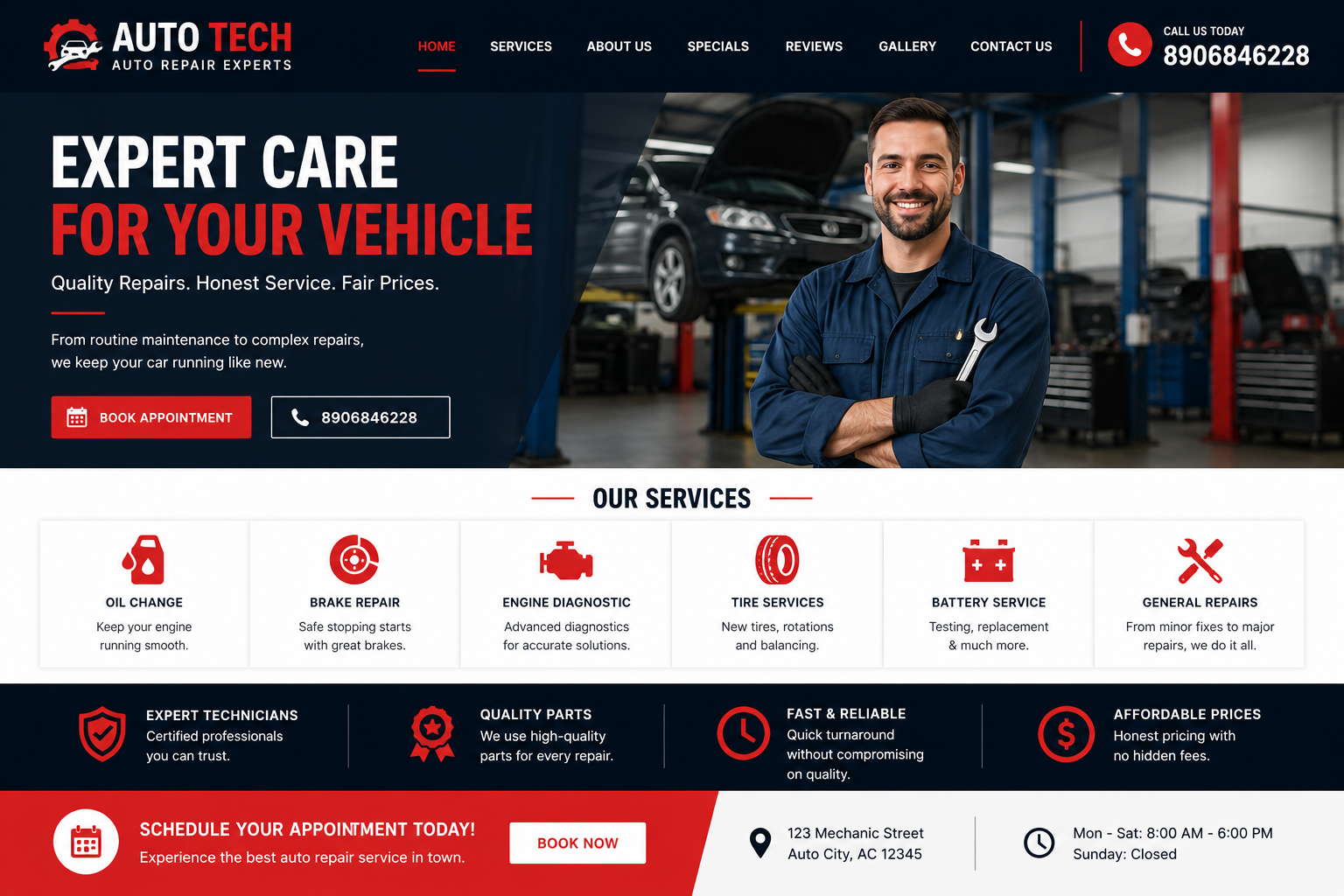
Recruitment Agency Website Design: Complete Guide to Build a High-Converting Recruitment Website
In today’s competitive hiring industry, a recruitment agency website is more than just an online presence. It is a lead generation machine, employer branding platform, candidate database, and marketing tool combined into one. Whether you run a staffing agency, executive search firm, HR consultancy, or temporary recruitment business, your website directly impacts how candidates and employers trust your services.
A professionally designed recruitment agency website helps attract top talent, generate business inquiries, improve search engine rankings, and increase placements. Companies searching for recruitment services often judge your professionalism based on your website. Similarly, job seekers decide whether to apply through your agency depending on the user experience and trust your website creates.
This complete guide explains everything you need to know about recruitment agency website design, including essential features, SEO strategies, mobile optimization, user experience, lead generation, and best practices to help your agency grow online.
Why Recruitment Agencies Need a Professional Website
The recruitment industry has become highly digital. Most employers and candidates begin their search online. Without a modern website, agencies lose credibility and valuable opportunities.
A professional recruitment agency website helps:
- Build trust with employers and candidates
- Showcase industry expertise
- Generate more hiring leads
- Publish job listings efficiently
- Improve Google rankings
- Create a strong brand image
- Simplify candidate applications
- Increase conversions and inquiries
- Support digital marketing campaigns
- Grow long-term business visibility
Your website works 24/7, helping potential clients discover your recruitment services even when your office is closed.
Important Elements of Recruitment Agency Website Design
A successful recruitment website should combine attractive design, excellent usability, fast performance, and SEO optimization.
1. Professional Homepage Design
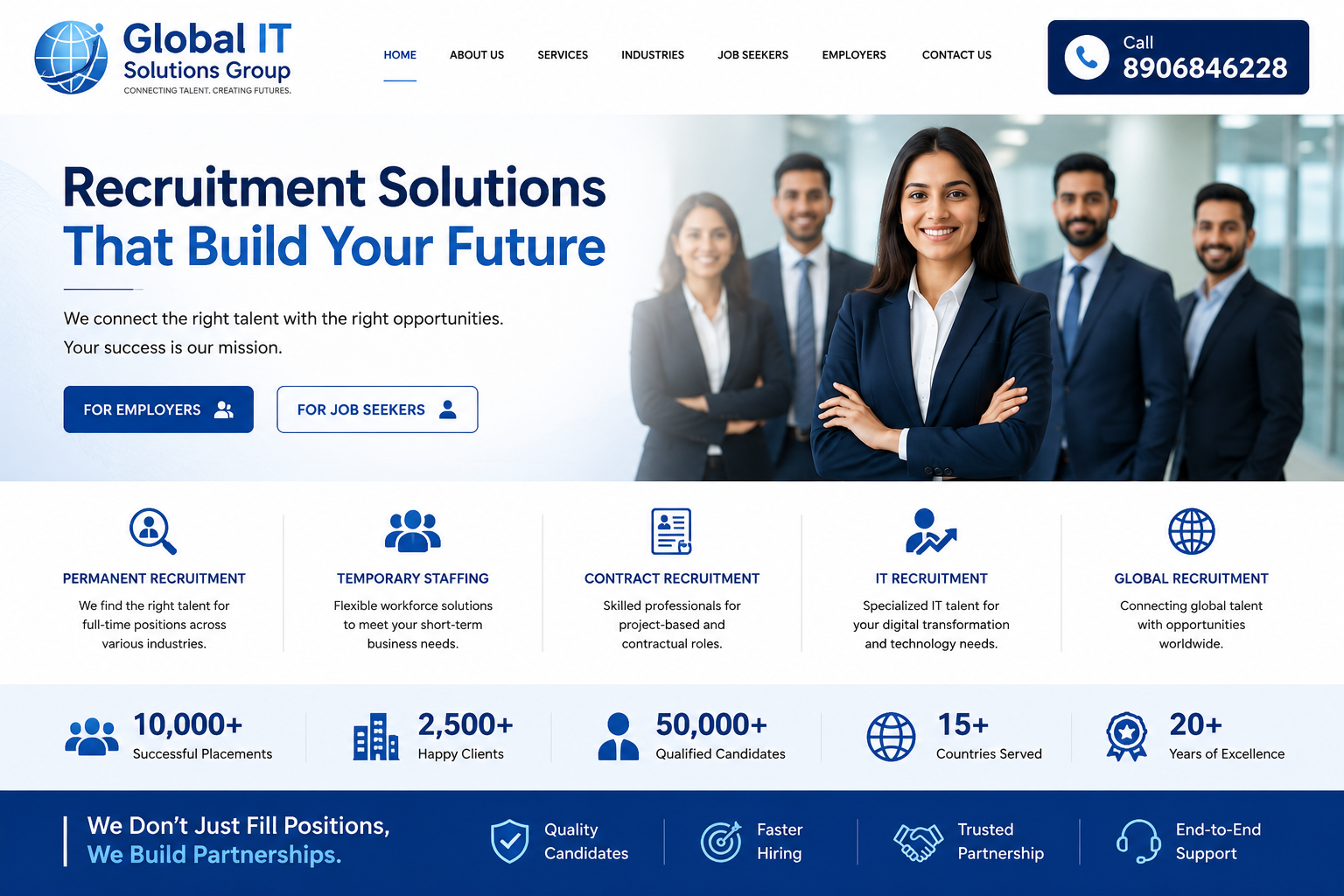
The homepage creates the first impression. It should instantly communicate what your recruitment agency offers.
Your homepage should include:
- Clear headline and service description
- Industry specialization
- Call-to-action buttons
- Featured job openings
- Employer inquiry form
- Candidate registration section
- Testimonials and reviews
- Recruitment statistics
- Company introduction
- Contact information
A clean and modern layout increases trust and encourages visitors to explore your services further.
User-Friendly Navigation
Recruitment websites often contain multiple pages such as jobs, industries, employer services, candidate services, blogs, and contact forms.
Simple navigation helps users quickly find information.
Best practices include:
- Clear menu structure
- Sticky navigation bar
- Search functionality
- Job category filters
- Mobile-friendly menus
- Easy access to contact pages
Good navigation improves user experience and reduces bounce rates.
Mobile-Friendly Recruitment Website Design
Most job seekers search for jobs using smartphones. A mobile-responsive website is essential for recruitment agencies.
Mobile optimization benefits include:
- Better Google rankings
- Higher engagement
- Improved application rates
- Faster loading speed
- Better user experience
Responsive websites automatically adapt to different screen sizes including mobiles, tablets, and desktops.
Fast Website Loading Speed
Website speed significantly impacts both SEO and conversions.
Slow recruitment websites frustrate users and reduce applications.
Ways to improve speed include:
- Optimized images
- Fast hosting
- Lightweight coding
- Browser caching
- Minified CSS and JavaScript
- CDN integration
Fast-loading websites improve user satisfaction and Google search visibility.
Recruitment Website SEO Optimization
SEO helps your recruitment agency rank higher on Google and attract organic traffic.
A properly optimized recruitment website can generate thousands of monthly visitors from job-related searches.
Important SEO Strategies
Keyword Optimization
Use relevant keywords naturally throughout your website.
Examples include:
- Recruitment agency website design
- Staffing agency website
- HR consultancy website
- Job portal website design
- Recruitment company web design
- Executive search website
- Hiring agency website
- Recruitment services
- Placement consultancy website
Use keywords in:
- Titles
- Headings
- URLs
- Meta descriptions
- Blog content
- Image alt tags
Local SEO for Recruitment Agencies
If your agency targets specific cities or regions, local SEO is essential.
Examples:
- Recruitment agency in Kolkata
- Staffing company in Delhi
- HR consultancy in Mumbai
- Placement agency in Bangalore
Local SEO strategies include:
- Google Business Profile optimization
- Local keywords
- City-based landing pages
- Customer reviews
- Local backlinks
Local SEO helps recruitment agencies generate targeted business inquiries.
Job Search and Filter System
One of the most important features of a recruitment website is an advanced job search system.
Candidates should easily search jobs based on:
- Location
- Industry
- Experience
- Salary
- Job type
- Skills
- Qualification
Advanced filtering improves user experience and increases application conversions.
Online Job Application System
A seamless application process increases candidate submissions.
Your recruitment website should allow:
- Resume uploads
- Quick applications
- LinkedIn profile integration
- Candidate account creation
- Email notifications
- Application tracking
Avoid lengthy forms because complicated application systems reduce conversion rates.
Employer Lead Generation Features
Recruitment agency websites should also focus on attracting employers.
Important lead generation features include:
- Employer inquiry forms
- Consultation booking
- Callback request forms
- Live chat integration
- Case studies
- Industry expertise pages
- Client testimonials
Strong calls-to-action encourage employers to contact your agency.
Candidate Registration Portal
A candidate registration system helps build your recruitment database.
Features may include:
- Resume upload
- Skill selection
- Job preferences
- Experience details
- Candidate dashboard
- Profile management
A strong candidate database improves recruitment efficiency.
ATS Integration for Recruitment Websites
ATS stands for Applicant Tracking System.
Integrating ATS software helps recruitment agencies manage applications efficiently.
Benefits include:
- Centralized candidate management
- Automated workflows
- Resume parsing
- Communication tracking
- Interview scheduling
- Better hiring management
Popular ATS integrations improve operational efficiency.
Importance of Trust and Credibility
Recruitment involves sensitive career and hiring decisions. Your website must build trust immediately.
Ways to improve credibility include:
- Client testimonials
- Case studies
- Success stories
- Verified contact information
- Industry certifications
- Awards and recognition
- Team profiles
- Social proof
Trust signals improve conversions significantly.
Best Color Schemes for Recruitment Websites
Color psychology influences user perception.
Popular recruitment website colors include:
- Blue for professionalism
- Green for growth
- Black for luxury recruitment
- White for clean appearance
- Orange for action and energy
Maintain consistent branding throughout the website.
Importance of High-Quality Content
Content marketing is extremely important for recruitment agencies.
Useful content helps:
- Improve SEO
- Build authority
- Generate traffic
- Educate candidates
- Attract employers
Examples of recruitment blog topics:
- Resume writing tips
- Interview preparation guides
- Hiring trends
- Employee retention strategies
- Remote work recruitment
- Industry salary guides
Regular blogging increases organic traffic over time.
Recruitment Agency Website Homepage Sections
An effective homepage may include:
Hero Section
A strong headline with CTA buttons.
Example:
“Connecting Top Talent with Leading Companies”
About Section
Explain your recruitment experience, industries served, and achievements.
Job Listings Section
Display featured vacancies.
Industries Served
Highlight recruitment expertise across industries such as:
- IT
- Healthcare
- Finance
- Education
- Manufacturing
- Hospitality
- Real Estate
Testimonials Section
Show real feedback from clients and candidates.
Contact Section
Easy inquiry forms and contact details.
Importance of Employer Branding
Recruitment agencies help companies build teams. Your website should reflect professionalism and industry authority.
Strong branding elements include:
- Professional logo
- Consistent typography
- Corporate design
- Quality images
- Unique messaging
A strong brand identity differentiates your agency from competitors.
Security Features for Recruitment Websites
Recruitment websites handle sensitive data including resumes and personal information.
Essential security features include:
- SSL certificates
- Secure hosting
- Data encryption
- Spam protection
- Secure forms
- Backup systems
- Firewall protection
Security improves trust and compliance.
Recruitment Website Design Trends
Modern recruitment websites use advanced design trends to improve engagement.
Popular trends include:
- Minimalist layouts
- Video backgrounds
- Interactive job search
- AI chatbots
- Dark mode
- Micro animations
- Dynamic content
- Mobile-first design
Modern design creates a competitive advantage.
Importance of Call-to-Action Buttons
CTA buttons guide users toward conversion actions.
Examples include:
- Apply Now
- Upload Resume
- Hire Talent
- Contact Us
- Book Consultation
- Submit Vacancy
CTA buttons should be visible and strategically placed.
Social Media Integration
Social media helps recruitment agencies increase reach and engagement.
Integrate platforms such as:
- YouTube
Social integration improves brand visibility and lead generation.
Why Blogs Matter for Recruitment Websites
Blogs help recruitment agencies rank for long-tail keywords.
Examples include:
- Best hiring practices
- How to prepare for interviews
- Recruitment trends in India
- Employee engagement strategies
- Top industries hiring in 2026
Informative blogs increase authority and website traffic.
AI and Automation in Recruitment Websites
Modern recruitment websites increasingly use AI features.
Examples include:
- AI candidate matching
- Chatbots
- Resume screening
- Automated emails
- Predictive hiring tools
Automation saves time and improves hiring efficiency.
Importance of Analytics and Tracking
Tracking website performance helps improve results.
Important analytics include:
- Website traffic
- Bounce rate
- Conversion rate
- Job application rate
- Source of leads
- User behavior
Tools like Google Analytics and Search Console help measure performance.
Recruitment Website Design Mistakes to Avoid
Avoid these common mistakes:
Poor Mobile Experience
Non-responsive websites lose mobile users.
Slow Loading Speed
Slow websites reduce engagement.
Complicated Navigation
Confusing menus frustrate users.
Weak SEO
Without SEO, your website will struggle to rank.
Too Much Text
Use clean layouts with proper spacing.
Lack of CTAs
Visitors need clear action steps.
Outdated Design
Modern users expect visually attractive websites.
Best Pages for Recruitment Agency Websites
Your recruitment website should include:
- Home
- About Us
- Services
- Industries
- Job Listings
- Employers
- Candidates
- Blog
- Testimonials
- Contact Us
- Privacy Policy
Well-structured pages improve SEO and user experience.
How Recruitment Websites Generate Leads
A well-designed recruitment website can generate leads through:
- Google search traffic
- Paid ads
- Social media marketing
- Content marketing
- Email campaigns
- Referral traffic
- LinkedIn marketing
Lead generation depends heavily on website quality and optimization.
Benefits of Custom Recruitment Website Design
Custom websites provide better flexibility and branding than template-based websites.
Advantages include:
- Unique design
- Better performance
- Scalability
- Improved SEO
- Strong branding
- Better user experience
Custom recruitment websites help agencies stand out in competitive markets.
Choosing the Right Recruitment Website Design Company
Selecting the right web design company is important.
Look for:
- Recruitment industry experience
- SEO expertise
- Responsive design capability
- Portfolio quality
- Technical support
- CMS knowledge
- Speed optimization
- Digital marketing services
A professional development partner can help your agency grow online effectively.
Importance of Content Management Systems
CMS platforms help agencies manage website content easily.
Popular CMS options include:
- WordPress
- Joomla
- Drupal
WordPress is highly popular because it offers:
- Flexibility
- SEO plugins
- Job board integrations
- Easy content management
- Scalability
A good CMS simplifies website updates and blog publishing.
Recruitment Website Conversion Optimization Tips
To increase inquiries and applications:
- Use strong headlines
- Add trust signals
- Improve page speed
- Simplify forms
- Use clear CTAs
- Add live chat
- Display testimonials
- Use high-quality visuals
Conversion optimization improves ROI from your website traffic.
Future of Recruitment Agency Websites
The recruitment industry continues evolving with technology.
Future trends include:
- AI recruitment systems
- Voice search optimization
- Video interviews
- Personalized job recommendations
- Automation tools
- Advanced analytics
- Cloud recruitment platforms
Agencies investing in digital transformation will gain competitive advantages.
Conclusion
A professionally designed recruitment agency website is essential for attracting employers, engaging candidates, and growing your recruitment business online. Modern recruitment websites must combine excellent design, strong SEO, mobile responsiveness, fast speed, and user-friendly functionality.
Whether you run a staffing agency, executive search firm, HR consultancy, or placement service, your website should act as a powerful marketing and lead generation tool. By implementing modern recruitment website design strategies, your agency can improve search engine rankings, generate more inquiries, build trust, and increase successful placements.
Investing in high-quality recruitment website design is no longer optional. It is one of the most important steps toward long-term business growth in the digital recruitment industry.
FAQs – Recruitment Agency Website Design
1. Why is website design important for recruitment agencies?
A professional website helps recruitment agencies build trust, attract employers, generate leads, and improve candidate applications.
2. What features should a recruitment website have?
Important features include job listings, application forms, ATS integration, mobile responsiveness, SEO optimization, and employer inquiry forms.
3. Is SEO important for recruitment agency websites?
Yes. SEO helps recruitment agencies rank on Google and attract organic traffic from employers and job seekers.
4. Why should recruitment websites be mobile-friendly?
Most users search jobs using smartphones. Mobile-friendly websites improve user experience and search rankings.
5. What is ATS integration?
ATS integration helps agencies manage candidate applications, resumes, interviews, and hiring workflows efficiently.
6. How can recruitment websites generate more leads?
Through SEO, content marketing, employer inquiry forms, social media integration, and conversion optimization strategies.
7. Which platform is best for recruitment website development?
WordPress is widely preferred because it offers flexibility, SEO features, and easy content management.
8. What is the ideal loading speed for recruitment websites?
Ideally under 3 seconds for better user experience and SEO performance.
9. Why are blogs important for recruitment agencies?
Blogs improve Google rankings, increase traffic, and establish industry authority.
10. Can recruitment websites integrate job portals?
Yes. Recruitment websites can integrate advanced job board and candidate management systems.
Call : +91 8906846228
Our Services
Website Design & Development
Mobile App Development
Digital Marketing
Search Engine Optimization (SEO)
Software Development
IT Solutions
Recent Post