How a Professional Website Can Help Generate More Business Leads
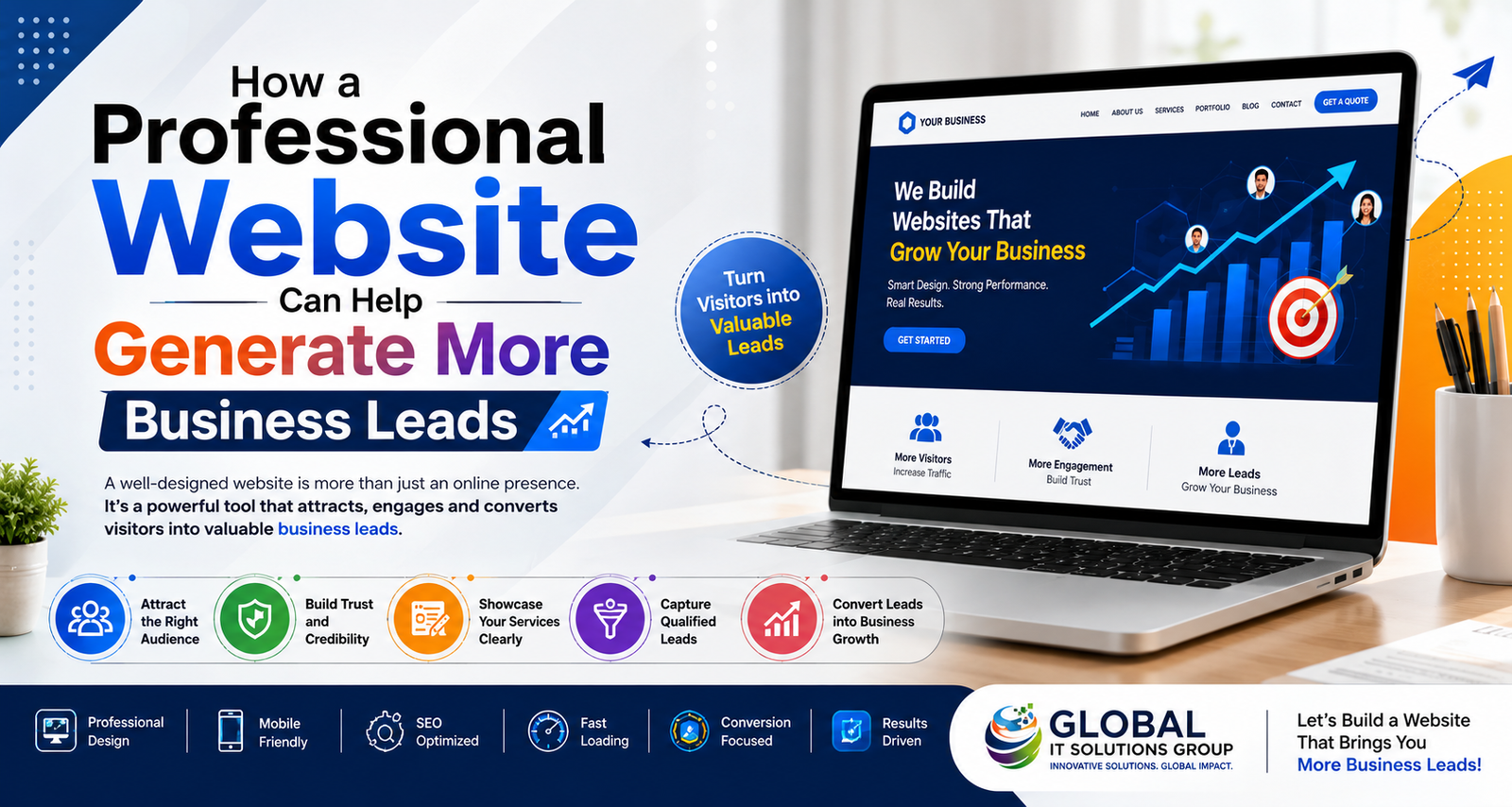
In today’s digital-first business environment, a website is much more than an online brochure. It can become one of the most valuable tools for attracting potential customers, building trust, and generating qualified business leads. Whether you operate a small local business, a growing company, a professional service, or an e-commerce brand, your website often plays an important role in how people discover and evaluate your business.
A professionally designed website can help visitors understand what you offer, find the information they need, contact your business, and take the next step toward becoming a customer. When the website is planned around user experience, search visibility, useful content, and clear calls to action, it can work as a consistent lead-generation channel.
At Global IT Solutions Group, we understand that a successful website should not only look attractive. It should also support your broader business goals. Here are some of the key ways a professional website can help generate more business leads.
1. Your Website Creates a Strong First Impression
For many potential customers, your website may be their first interaction with your business. Before making a phone call, sending an inquiry, or visiting your office, people often look online to learn more about a company.
A poorly designed, outdated, confusing, or slow website can make visitors question the reliability of a business. On the other hand, a clean and professional website can immediately communicate that your company takes its services and customers seriously.
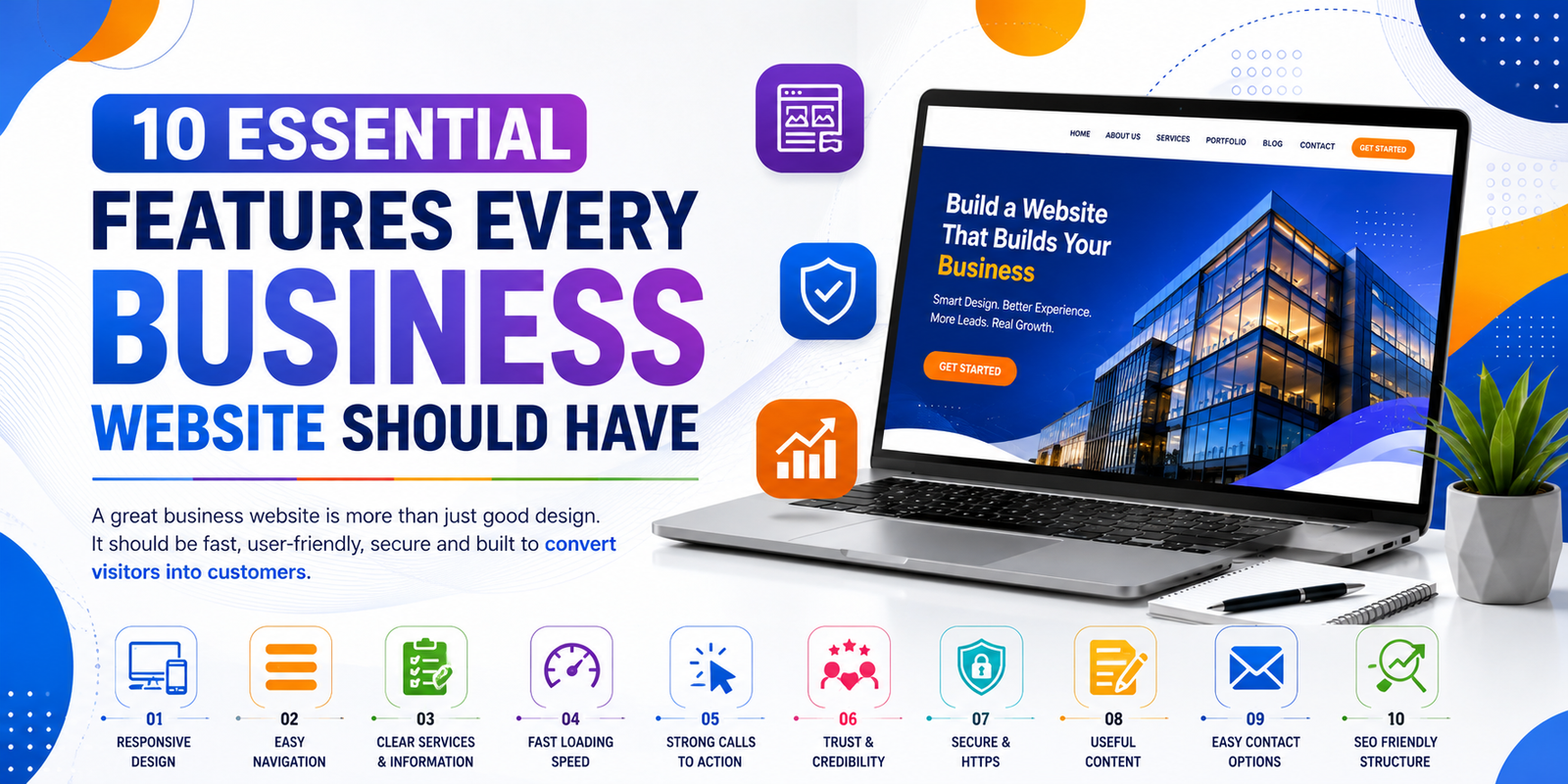
A professional website should have:
- A clean and organized layout
- Easy-to-read content
- Consistent branding
- Clear navigation
- High-quality images
- Mobile-friendly design
- Visible contact information
- Strong and relevant calls to action
The goal is not simply to make a website look modern. The design should make visitors feel comfortable exploring your services and taking the next step.
2. It Helps Potential Customers Find Your Business
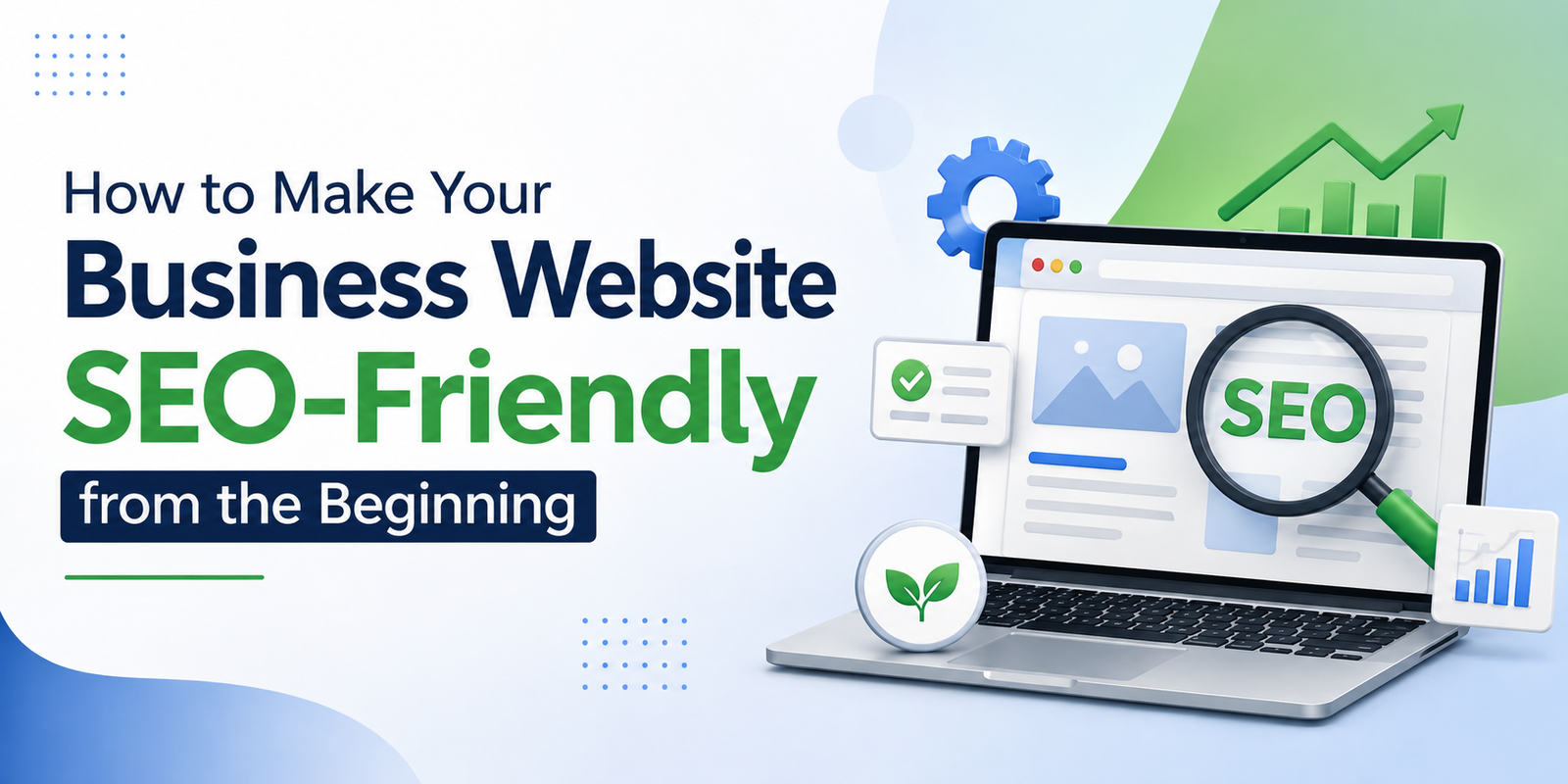
A great website is only useful if potential customers can find it. This is where search engine optimization, commonly known as SEO, becomes important.
Search engines help people discover businesses when they search for products, services, questions, or solutions. A professionally developed website can provide a strong foundation for SEO by using logical page structures, relevant content, descriptive headings, optimized images, fast-loading pages, and other search-friendly practices.
For example, someone looking for a website design service may search for terms such as “professional website design,” “business website development,” or “website designer near me.”
Creating useful pages around relevant topics can give search engines a better understanding of what your business offers. More importantly, informative content can help potential customers decide whether your services are right for them.
SEO is not about filling a page with keywords. It is about creating useful information that satisfies what people are actually looking for.
3. A Professional Website Builds Trust
Trust is one of the most important factors in a customer’s buying decision.
A visitor may have several businesses to choose from. Your website gives you an opportunity to demonstrate why your company deserves their attention.
You can build credibility by clearly presenting:
- Your company’s experience
- Services and areas of expertise
- Customer testimonials
- Portfolio or previous projects
- Frequently asked questions
- Business contact details
- Company information
- Helpful educational content
Providing accurate and transparent information allows visitors to make informed decisions.
Professional design also contributes to credibility. Consistent fonts, colors, images, spacing, and branding create a more polished experience. When these elements work together, visitors can navigate your website more confidently.
4. It Makes It Easier for Visitors to Contact You
A website should make contacting your business simple.
If a visitor has to search through several pages just to find a phone number or inquiry form, there is a greater chance that they will leave without contacting you.
A lead-focused website should provide clear opportunities for visitors to get in touch. Depending on the nature of your business, this might include:
- Contact forms
- Phone numbers
- Email addresses
- WhatsApp or messaging options
- Service inquiry forms
- Quote request forms
- Appointment booking options
Calls to action can also guide visitors toward the next step. Examples include “Request a Quote,” “Get in Touch,” “Schedule a Consultation,” or “Learn More.”
The right call to action depends on your audience and the type of service you provide.
5. Mobile-Friendly Design Can Reach More Customers
A significant number of people browse websites using smartphones and tablets. If a website works well only on a desktop computer, a business may be creating unnecessary barriers for potential customers.
Responsive web design allows a website to adapt to different screen sizes. Text should remain readable, buttons should be easy to tap, images should display correctly, and navigation should remain simple on smaller screens.
A mobile-friendly website can provide a better experience for people who discover your business while searching on their phones.
This is particularly important for businesses that depend on local customers or customers who frequently use mobile devices while researching services.
6. Fast Loading Improves the User Experience
Website speed matters because people generally expect pages to load quickly. A slow website can create frustration and may cause visitors to leave before they see your services or contact information.
Several factors can affect website performance, including large image files, unnecessary scripts, inefficient code, poor hosting, and excessive third-party resources.
Professional website development can help identify and address these issues.
Improving website performance may involve optimizing images, reducing unnecessary resources, improving page structure, and using appropriate hosting and caching techniques.
A faster website is not simply about technical performance. It contributes to a smoother experience for visitors and makes it easier for them to explore your business.
7. Helpful Content Can Attract Potential Customers
One of the most effective ways to attract people through search engines is by publishing genuinely useful content.
Instead of writing articles solely to target keywords, businesses can answer common questions that their potential customers have.
For example, a web design company might publish articles about:
- How to choose a business website
- What makes a website user-friendly
- Why responsive design matters
- How websites can support local businesses
- Common website mistakes
- How to improve online visibility
- What information a business website should include
Useful content can attract people at different stages of the buying journey.
Some visitors may only be researching a problem, while others may already be comparing service providers. Providing helpful information allows your business to build familiarity before the visitor is ready to make a purchasing decision.
8. Your Website Can Showcase Your Services Clearly
Potential customers should not have to guess what your business does.
A professional website can organize your services into clear sections so visitors can quickly understand your offerings.
Each service page can explain:
- What the service is
- Who it is designed for
- What benefits it provides
- What the process involves
- Frequently asked questions
- How visitors can request more information
Detailed service pages can also provide additional opportunities to appear in relevant search results.
However, the content should always be written for people first. Clear explanations are more useful than repetitive keyword-focused text.
9. A Website Can Support Your Advertising Campaigns
A professional website can also work together with online advertising.
When someone clicks an advertisement, they need to arrive at a page that matches what the advertisement promised. If an advertisement promotes website design but the visitor lands on a generic homepage with little relevant information, they may leave.
A dedicated landing page can focus on one specific service or offer. It can provide relevant information, explain the benefits, answer common questions, and give visitors a clear way to contact the business.
This creates a more consistent journey from advertisement to website to inquiry.
10. You Can Measure Where Your Leads Come From
Another advantage of having a professional website is the ability to measure user activity.
Businesses can use appropriate analytics and tracking tools to understand how visitors interact with their websites. Depending on the tools being used, businesses may be able to analyze information such as:
- Which pages receive the most visits
- How visitors find the website
- Which content attracts attention
- How many visitors complete an inquiry form
- Which marketing channels generate traffic
- Which pages may need improvement
These insights can help businesses make better marketing decisions.
Instead of relying entirely on assumptions, you can use website data to identify what is working and where improvements may be needed.
11. Your Website Works Beyond Business Hours
A physical office may have specific operating hours, but a website can provide information around the clock.
Someone may discover your business late at night, early in the morning, or during a weekend. Your website can continue presenting your services, answering common questions, displaying contact options, and collecting inquiries even when your team is unavailable.
This does not mean every visitor will become a customer immediately. However, it gives potential customers an opportunity to learn about your company and contact you when it is convenient for them.
12. Professional Website Design Is an Investment in Long-Term Growth
A website should not be viewed as a one-time digital expense. When planned correctly, it can become part of a company’s long-term marketing strategy.
As your business grows, your website can also evolve. You may add new services, publish more content, introduce new landing pages, improve conversion paths, or update your portfolio.
Regular maintenance and improvements can help keep the website useful, secure, and relevant.
The most effective websites are not necessarily the ones with the most complicated features. They are the ones that make it easy for the right audience to understand the business and take meaningful action.
What Makes a Website Effective for Lead Generation?
A lead-generating website brings several elements together.
It should be:
Professional: Your website should reflect the quality and credibility of your business.
User-friendly: Visitors should be able to find information without unnecessary confusion.
Responsive: The website should work properly across desktops, tablets, and smartphones.
Fast: Pages should load efficiently and provide a smooth browsing experience.
Informative: Content should answer customer questions and explain your services clearly.
Search-friendly: The website should have a strong foundation for search engine visibility.
Action-oriented: Visitors should have clear ways to contact your business or request additional information.
Most importantly, the website should be created around the needs of your customers rather than simply following design trends.
Conclusion
A professional website can play a significant role in generating business leads. It can help potential customers discover your company, understand your services, evaluate your credibility, and contact you.
However, simply having a website does not automatically guarantee more leads. The website needs to provide genuine value, offer a positive user experience, communicate clearly, and make it easy for visitors to take the next step.
At Global IT Solutions Group, our approach to website design focuses on combining professional presentation with functionality, usability, responsive design, and business objectives. A well-planned website can become an important part of your digital marketing strategy and provide a strong foundation for sustainable online growth.
If your current website is outdated, difficult to navigate, slow, or failing to generate inquiries, it may be time to consider a professional redesign. The right website can do more than represent your business online—it can help turn online visitors into genuine business opportunities.
Call : +91 8906846228
Our Services
Website & Mobile App Development
Mobile App Development
Digital Marketing
Search Engine Optimization (SEO)
Software Development
IT Solutions
Recent Post